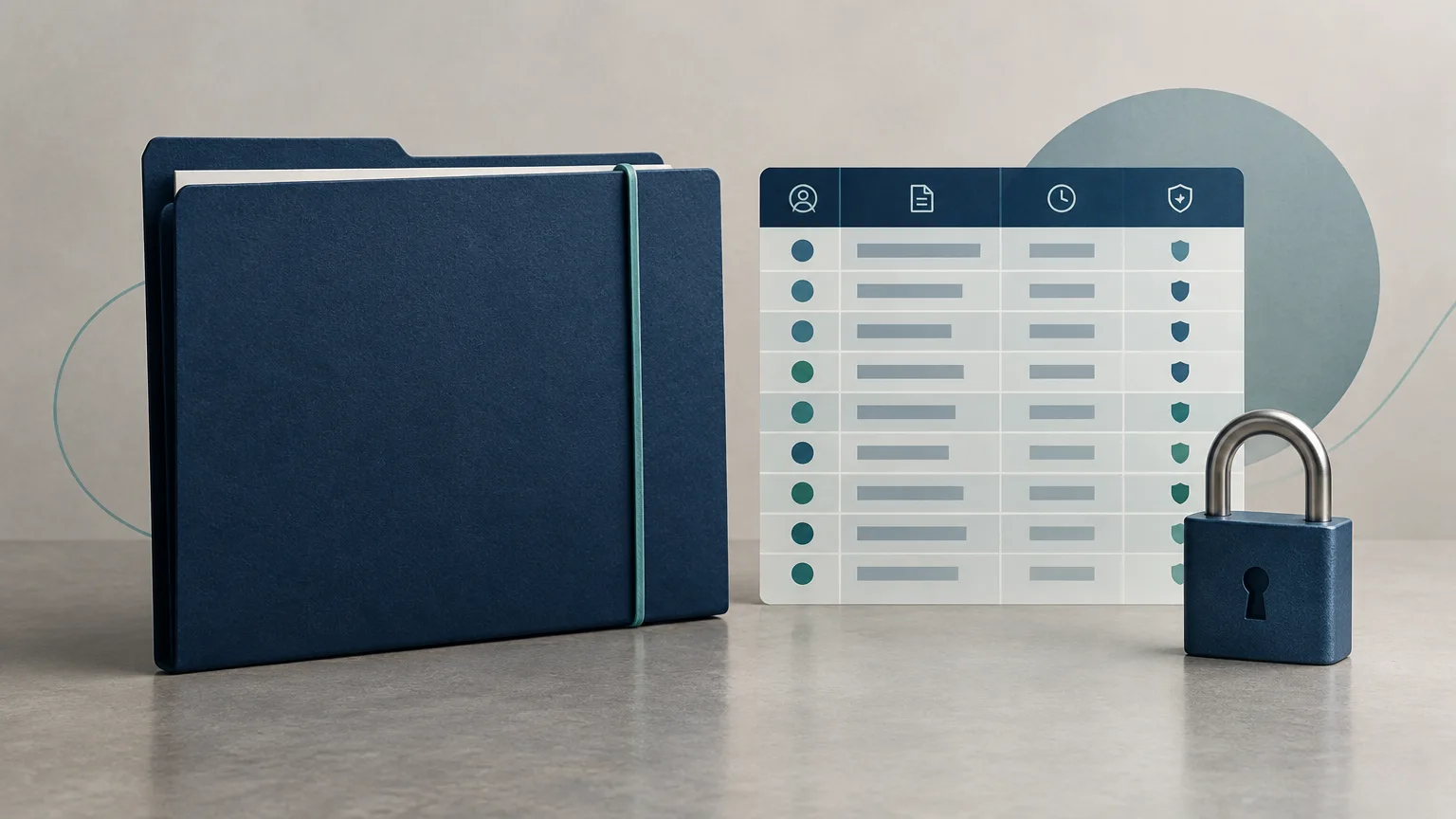
N.B. Ombud says medical-file audit trail falls under health-information access law
Vitalité was urged to reconsider the request, assess any exceptions and explain any partial refusal.
Section
Federal and provincial privacy commissioner and privacy-regulator coverage.
83 storiesVitalité was urged to reconsider the request, assess any exceptions and explain any partial refusal.

A turbine drawing qualified for protection; its cover page did not.

On reconsideration after judicial review, B.C.’s information adjudicator finds the city did not establish the financial harms needed to withhold the sites.

The municipality was covered but did not negotiate the contract.

A systemic investigation faulted records governance but did not substantiate separate allegations that a senior official deliberately destroyed emails.

The report calls for stronger vendor oversight and an end to student health-card collection, while finding much of the breach response reasonable.

Two information-commissioner reports required Canadian Heritage to search again, while accepting its explanation that some specifically requested documents did not exist.

The information commissioner distinguished the regulator’s own views and administrative details from confidential manufacturing information supplied by the company.

Legitimate safety purposes did not answer every question about employee information.

Hockey academy invoices remained protected, while broad commercial-harm objections failed.

Inaccuracy was not an exemption, but the paragraph still qualified as advice.

The information commissioner distinguished eligibility to make a request from whether confidential client information must ultimately be disclosed.

The information commissioner rejected a claim of harm to federal-provincial relations and found that volunteer panelists were not internal government advisers.

The information commissioner found that general cellphone risks did not establish the likely harm required to withhold the work numbers in this request.

The information commissioner ordered a complete Transport Canada response, but rejected a separate complaint about how the request was initially handled.
Exemption decisions are not chargeable preparation work.

The information commissioner rejected unsupported review-capacity and consultation estimates and ordered a response within 60 business days.

Loblaw agreed to an independent assessment after the federal commissioner found shortcomings in its retention practices and responses to account-deletion requests.

The ruling separates government-funded advice from protected commercial material and requires a fresh decision on security-related information.

The privacy adjudicator distinguished a referral to a prospective provider from valid consent covering an ongoing claim and a separate release to the claimant’s union.